App Store release · coming soon
Wear the universe.
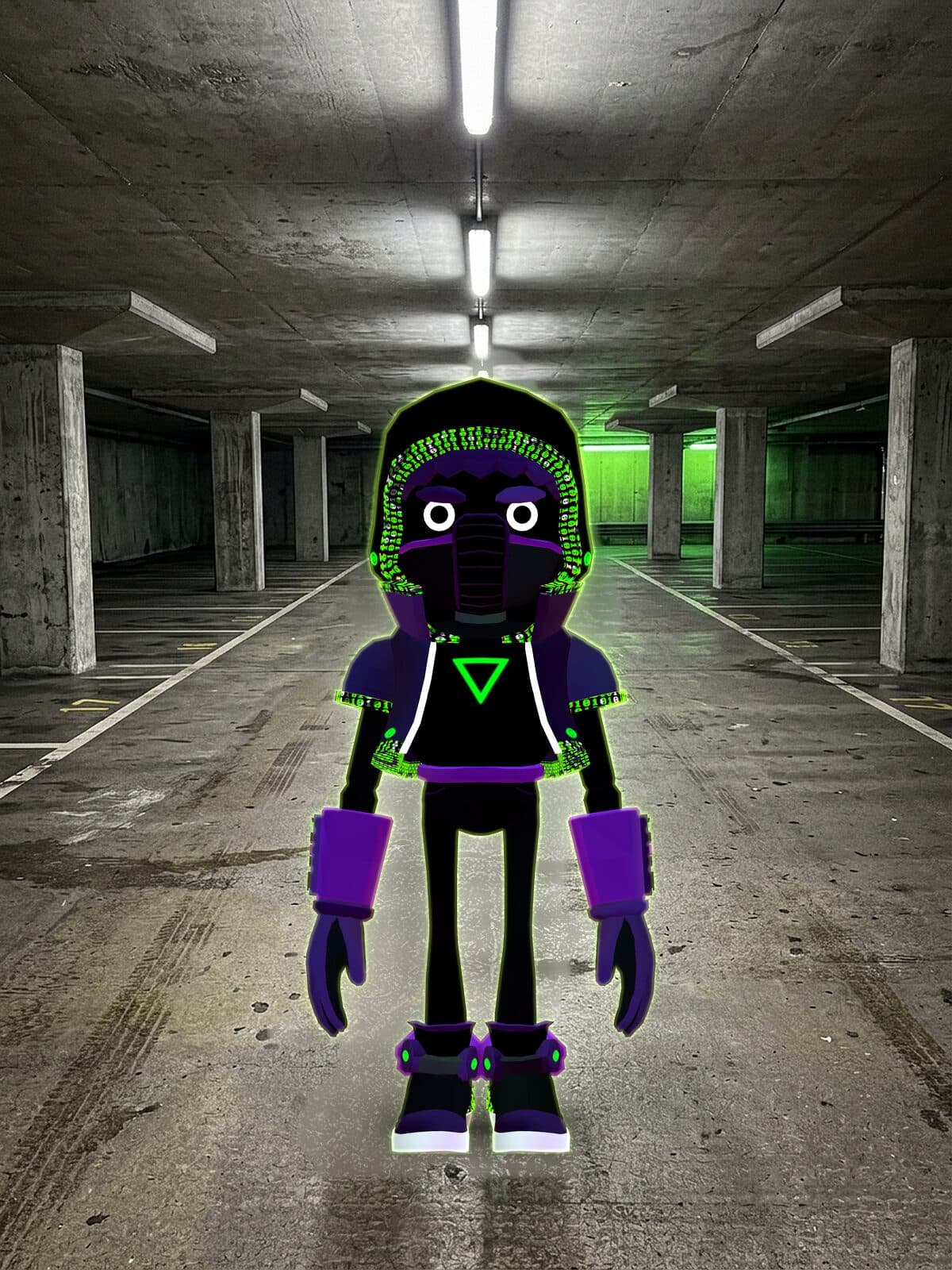
Point an iPhone at a friend. Ekza Mirror turns them into a full-body avatar that follows every move.
iOS 17+ · on-device · camera stays private
See how it works ↓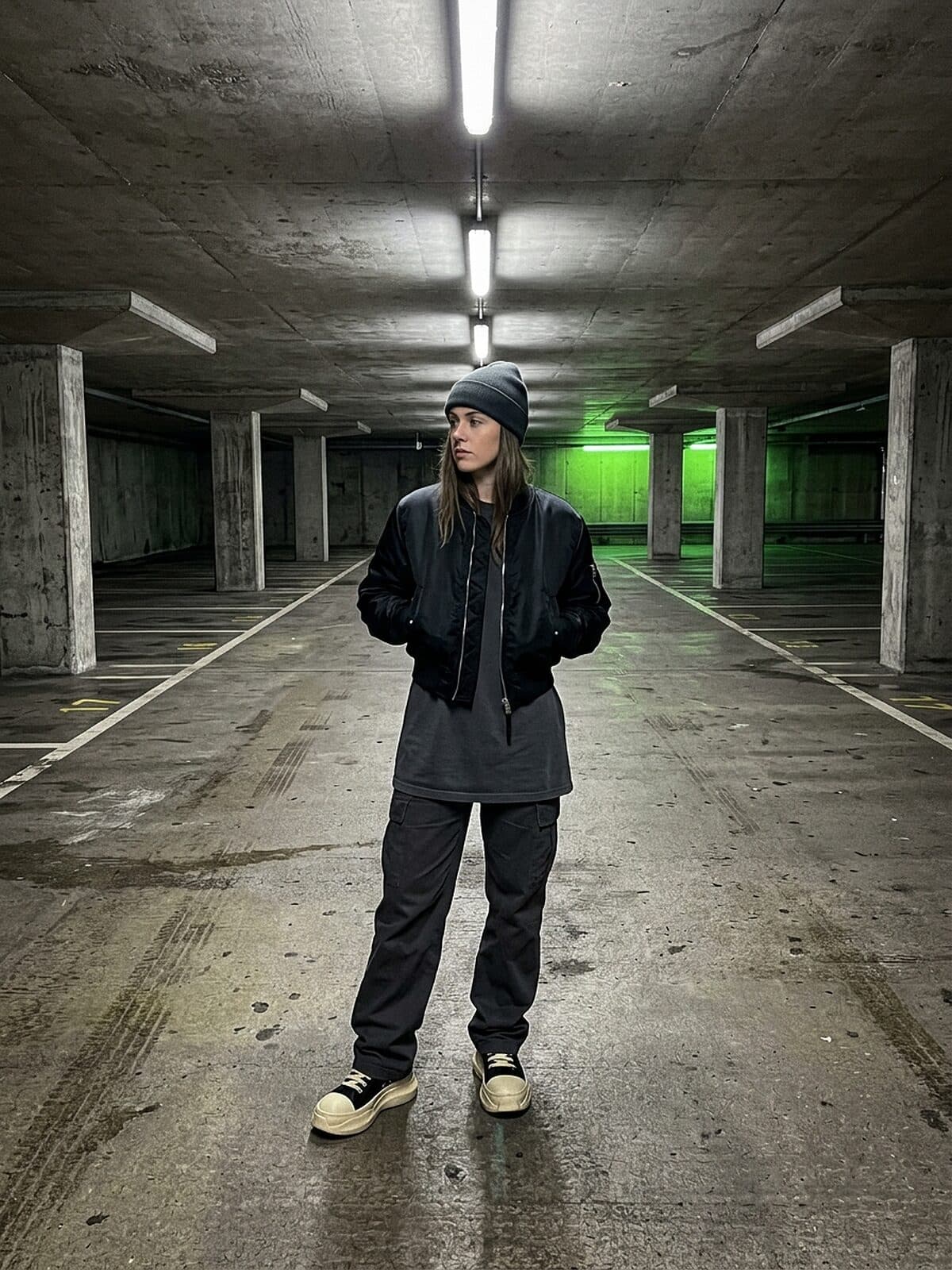
three beats
Point. Wear. Record.
The whole loop is three moves and about ten seconds. Nothing to set up, nothing to upload.
01Point
Aim the rear camera at a friend. ARKit body tracking finds their skeleton — one person, full body in frame, decent light.
no cloud vision
02Wear
A volumetric avatar snaps onto the joints and copies every move, rendered live by RealityKit on the phone itself.
runs on-device
03Record
Hit record, keep the clip, send it wherever you like. Camera frames never leave the iPhone on the way there.
your footage, your phone
pick your face
Choose who your friend becomes.
39 avatars from the open-source catalog. Tap a card — the real VRM file downloads and renders right here, in your browser. The same files the iPhone lens wears.
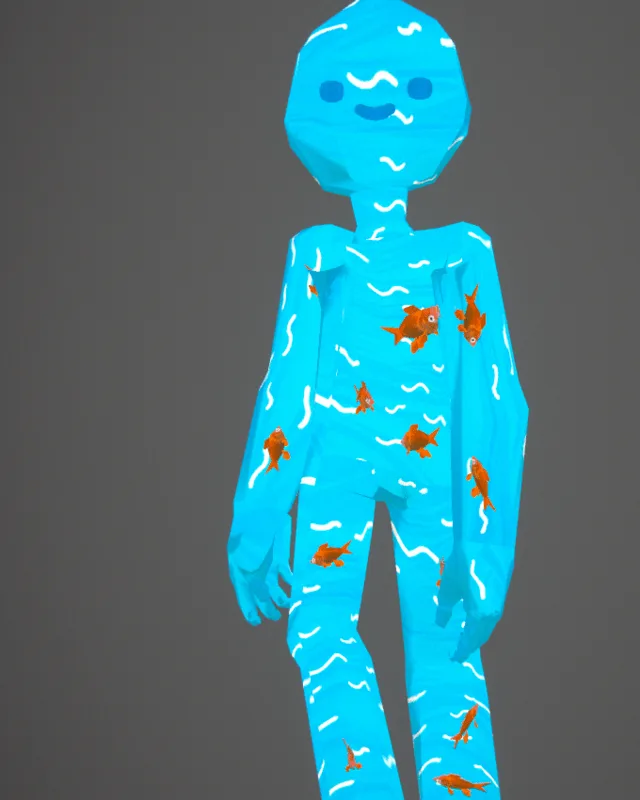
100avatars r2 · by Polygonal-Mind · cc0
Goldfish Bag Person
tap a card · it renders here
39 of 39
Every avatar here is CC0 from the Open Source Avatars catalog — made by Polygonal-Mind, ToxSam and friends, pinned to IPFS and Arweave, addressed by content hash. Own one anywhere in the Ekza ecosystem and it follows you here.
why mirror exists
The fun end of a serious chain.
Ekza is about owning a 3D identity and carrying it anywhere. That is hard to feel in a wallet. So we built the end of the chain you can point at a friend.
- 01
Ekza Stellar
ownership · lineage · revenue shares
The ledger underneath. Who made the asset, what it was derived from, and who gets paid when it travels.
stellar.ekza.io
- 02
Ekza Avatar
portable 3D identity
The catalog: VRM and USDZ avatars carrying provenance and a SHA-256 you can check. Six verified avatars on devnet today.
avatar.ekza.io
- 03
Ekza Mirror
you wear it in the real world
Point the rear camera at a friend. ARKit finds their body, RealityKit draws the avatar on top, you hit record.
you are here
One chain, three surfaces. Stellar keeps the receipts, Avatar keeps the identity, Mirror puts it on a human being standing in your kitchen.
the honest part
It all happens on your phone.
on-device
Camera frames never leave the iPhone.
No cloud vision. No external ML services. Tracking and rendering both run on the device in your hand — the footage is yours until you decide to share the clip.
tracking
ARKit body tracking
ARBodyTrackingConfiguration on the rear camera finds a real person and returns a 3D skeleton. We smooth the joints so the avatar moves like a body, not a spreadsheet.
rendering
RealityKit avatar
A volumetric avatar is drawn on top of those joints, in the same space as the room. Procedural today; real rigged Ekza characters are the next milestone.
Requirements
- iOS 17+minimum system
- A12 Bionicchip, or newer
- Rear camerabody tracking input
- No simulatordevice only
current limits
What it can't do yet.
A prototype that tells you where its edges are is a prototype you can trust.
One person at a time
Body tracking locks onto a single skeleton. Multi-person is on the roadmap, not in the build.
Full body in frame
Legs included. Step back until the whole person fits, or the skeleton will not lock.
Good light helps
Dim rooms make the joints jitter. Daylight or a lamp behind you gets you clean motion.
The avatar covers, it does not erase
We draw the avatar over the person. We do not rebuild the background behind them, so expect an edge, not a magic trick.
where this goes
Now, next, later.
The App Store is the next public milestone. Beta feedback decides what makes the first release — no made-up launch date.
nowlive
The beta runs.
- ARKit body-tracking runtime
- On-device avatar rendering
- In-app capture
next
The App Store release.
- Private beta feedback
- VRM → ARKit USDZ retarget
- Launch avatar pack
later
More people, more worlds.
- Multi-person tracking
- Share to feed
- Universe packs
straight answers
Ask the awkward questions.
When can I get it from the App Store?
The App Store release is coming soon, but we are not publishing a date until the build earns it. Join the beta list and we will email you when a testing wave opens — and again when the public release is ready.
Do I need a special phone?
An iPhone with an A12 Bionic chip or newer, running iOS 17 or later. Body tracking uses the rear camera, and the simulator will not do — it has to be a real device. No Android, no iPad-only tricks, no desktop.
Where do the avatars come from?
The Ekza avatar catalog. Each one is a VRM or USDZ file with provenance and a SHA-256 you can verify, resolved by a small service that returns the descriptor. Six verified avatars live on devnet today. The build ships a procedural volumetric avatar now; the real rigged characters are the next milestone.
Does my video get uploaded anywhere?
No. Tracking and rendering both run on the iPhone. Camera frames never leave the device — no cloud vision, no external ML service, nothing waiting on a server. What you record stays on your phone until you choose to share it.
Can I use my own avatar?
Not yet. Today you pick from the catalog. The resolver already reads descriptors and provenance, and it tells you honestly when an avatar has no iOS-ready rendition. Bring-your-own arrives with the VRM to USDZ retarget.
Is this the same as an Instagram filter?
No. A filter paints a texture on a face in 2D. Mirror uses ARKit body tracking to build a 3D skeleton of a whole person, then RealityKit draws a volumetric avatar onto it in the room. And the avatar is an owned asset with a lineage, not a sticker. One honest caveat: it covers the person, it does not rebuild the background behind them.
Still curious? Ask in Discord — the prototype gets shown there first.
private beta
Try it before the App Store.
The App Store release is coming soon. Join the beta list for an early build, then tell us what feels magical — and what broke.
Follow the build while you wait.
iPhone only · iOS 17+ · App Store release coming soon